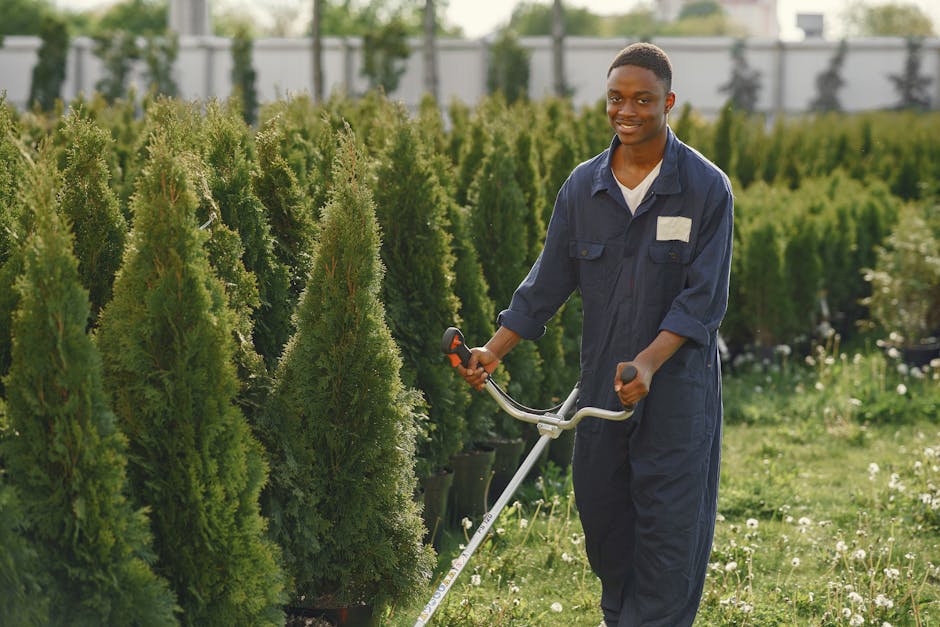
Compare Cheap Gardeners Versus Licensed Pros for Hedge Work
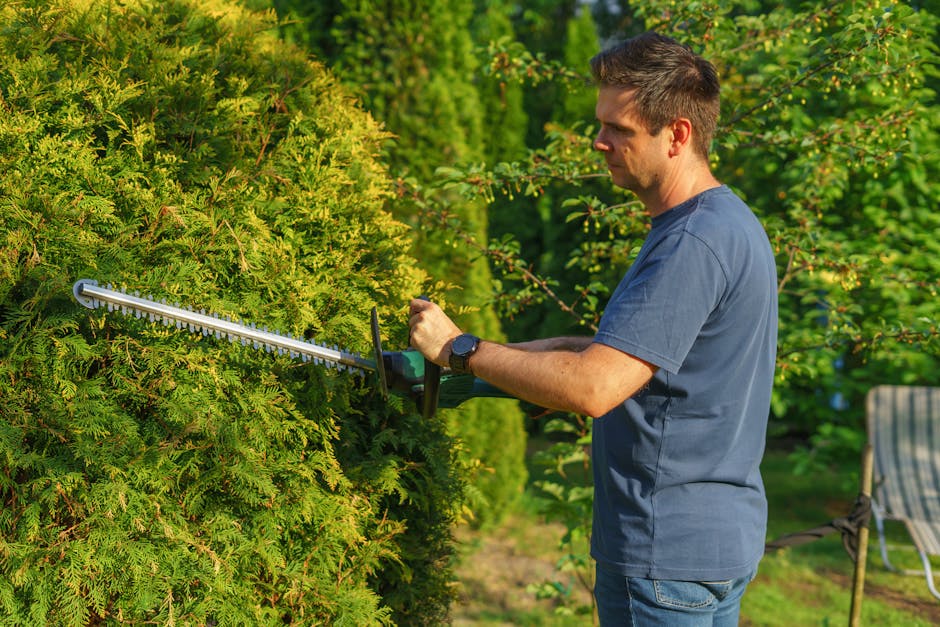
If your hedge has started leaning into the path, losing its shape, or blocking more light than you'd like, the choice can feel oddly tricky: do you go with a cheap gardener, or pay more for a licensed pro? When people compare cheap gardeners versus licensed pros for hedge work, they're usually trying to balance price, quality, safety, and the long-term look of the garden. Fair enough. A hedge can seem like a small job until you're standing under it with a ladder, shears, and a soggy pile of clippings.
This guide breaks the decision down in plain English. You'll see where lower-cost gardeners can be perfectly sensible, where licensed professionals are worth the extra spend, and how to judge the real value behind a quote rather than just the headline number. You may also spot that the cheapest option is not always the cheap one. Funny how that works.
Why Compare Cheap Gardeners Versus Licensed Pros for Hedge Work Matters
Hedge work looks straightforward from the outside. Trim the sides, square the top, clear away the waste, job done. But in real gardens, the details matter. A hedge that is cut badly can take months to recover its shape, and if it is reduced too hard, you can end up with thin patches, exposed stems, or uneven regrowth. That means the true cost is not just the invoice, but also the time you spend fixing the result later.
This comparison matters because hedge cutting sits at the awkward meeting point between garden maintenance and practical risk. There are sharp tools, ladders, flying debris, awkward corners, and sometimes very mature growth. Add a wet patio, a narrow side return, or a hedge sitting close to fencing, and suddenly the job has a few more moving parts. That's where the difference between a low-cost operator and a more formally prepared professional starts to show.
There is also a trust issue. A cheap gardener may do a fine job for straightforward trimming, especially on small domestic hedges that just need regular maintenance. A licensed pro, though, is more likely to bring process, insurance awareness, safer work methods, and a steadier eye for long-term plant health. If you're trying to keep a hedge neat all year, that can matter a lot.
Practical takeaway: If the hedge is small, simple, and easy to access, a cheaper gardener may be enough. If the hedge is tall, overgrown, close to structures, or part of a bigger garden plan, a licensed pro usually gives you better protection and a more reliable finish.
How Compare Cheap Gardeners Versus Licensed Pros for Hedge Work Works
The comparison works best when you look beyond price alone. Start by asking what the person is actually offering. Are they doing a light trim, a full reduction, or a long overdue reshaping? Are clippings included? Is waste removal included? Do they bring the right ladders and safety gear? These little details can change a quote more than most people expect.
Cheap gardeners often price hedge work by time, rough size, or a quick visual estimate. That can be helpful for smaller jobs where the hedge is predictable and access is easy. Licensed professionals, on the other hand, are more likely to assess the job methodically: hedge height, thickness, access, proximity to paths and fences, and whether there are health-and-safety issues to manage. That extra structure usually shows up in the price, but it also shows up in consistency.
In the real world, the process usually goes like this:
- You describe the hedge and what you'd like changed.
- The gardener assesses size, access, and level of work needed.
- A quote is given, ideally with waste disposal and tidy-up included.
- The hedge is cut using appropriate tools and a sensible sequence.
- The site is cleared, and the shape is checked before the team leaves.
For larger jobs, it is often worth asking whether the provider also handles wider garden upkeep. If your hedge work sits alongside mowing, border clearing, or seasonal maintenance, a broader service such as garden maintenance can sometimes be more efficient than booking each task separately. Same van, same visit, fewer headaches. Lovely, really.
Key Benefits and Practical Advantages
Each option has strengths, and the better choice depends on your goals. Cheap gardeners can be great when you need fast, affordable hedge trimming and you already know the garden is in decent shape. Licensed pros usually win when the work is technical, larger, or riskier.
What cheap gardeners often do well
- Keep routine hedge trimming affordable
- Handle quick tidy-ups for small domestic hedges
- Offer flexible, local availability
- Work well when the job is simple and the hedge is easy to access
What licensed pros often do better
- Assess plant health before cutting
- Use safer methods on tall or awkward hedges
- Offer better consistency on shaping and reduction
- Carry stronger insurance and process discipline
- Reduce the chance of avoidable damage to fences, paving, and nearby plants
The biggest practical advantage of a licensed pro is usually confidence. You are not just paying for time with a hedge trimmer; you're paying for judgement. And judgement, truth be told, is what saves people from the silly mistakes that only become obvious a week later when the hedge looks patchy or the clippings have been left everywhere.
Cheap gardeners can still offer good value, especially if they are experienced and honest about what they can and cannot do. The key is not to confuse low price with low skill, or high price with guaranteed quality. Neither assumption is safe.
Who This Is For and When It Makes Sense
If you have a small privet hedge along a front path and you just want it kept neat, a cheaper gardener may be the sensible route. If the hedge is part of a manageable, routine job and you are not asking for heavy reshaping, there is nothing wrong with keeping things simple.
Licensed pros tend to make more sense if any of the following apply:
- The hedge is tall enough to need ladders or advanced reach equipment
- The growth is thick, woody, or badly overgrown
- The hedge sits close to windows, driveways, fences, or public access
- You want a cleaner, more formal finish
- You need the work integrated with broader landscaping or clearance
This also matters if your hedge work is part of a bigger property reset. For example, if the garden has become cluttered after a wet winter, you might combine hedge cutting with garden clearance or broader gardening services so the whole space feels usable again. That tends to be more efficient than piecemeal fixes.
A lot of homeowners also underestimate timing. In spring and late summer, hedges can look a bit wild very quickly. You notice one morning that the neighbour's path suddenly feels narrower. Not ideal. In those moments, a decent local gardener can be a lifesaver, but so can a more formally equipped pro if the hedge is big or awkward.
Step-by-Step Guidance
Here is a practical way to choose without getting lost in sales talk.
- Measure the job properly. Note hedge height, length, thickness, and access. Even a rough estimate helps you compare quotes on a like-for-like basis.
- Decide what you want done. A trim, shape, reduce, or full cut-back are not the same thing. If you do not define it, the quotes won't be comparable.
- Ask what is included. Check whether waste removal, tidy-up, and green disposal are part of the price. Sometimes the cheapest quote is only cheap because the messy bit is excluded.
- Ask about experience with hedge work. Not all gardeners are equally comfortable with tall or formal hedges. Some are brilliant on borders and lawns, less so on bulky evergreens.
- Check insurance and safety approach. If a person is climbing, using powered tools, or working close to property, you want to know they take risk seriously.
- Compare the finish, not just the fee. A slightly higher quote can be better value if the hedge is shaped properly and regrowth is healthier.
- Book the right service level. For ongoing upkeep, a recurring visit may be smarter than one-off rescue cuts. Many gardens really do behave better with steady maintenance.
If you already know the hedge needs more than a quick tidy, it can help to start from a service that is built around this kind of work, such as hedge trimming. That makes it easier to judge whether a low-cost offer is genuinely equivalent or quietly missing half the job.
And here's the mildly annoying bit: ask for photos if you're comparing remotely. It sounds obvious, but a few mobile photos from different angles save everyone time. The quote is better, the expectations are clearer, and nobody ends up arguing about what "a small trim" means. Because, honestly, that phrase can mean anything.
Expert Tips for Better Results
Good hedge work is not just about cutting; it's about planning the shape and the recovery. A hedge that is trimmed at the right time and in the right form tends to stay denser and cleaner for longer.
Use these practical tips
- Choose a dry day where possible. Wet foliage is heavier, messier, and not as pleasant to work with.
- Ask for a taper shape on larger hedges. Slightly narrower at the top helps light reach the lower growth.
- Do not overcut in one go. Heavy reduction can stress the hedge and leave bare sections.
- Match the service to the hedge type. Formal hedges, mixed hedgerows, and mature evergreens need different handling.
- Keep the waste plan clear. Clippings vanish fast when properly removed. Otherwise they sit there looking like a green thunderstorm has passed through.
If your hedge borders a fence or boundary structure, it can also be sensible to think about the bigger picture. A hedge and fence often age together, and one can affect the other. If there is damage, leaning, or poor access, it may be worth looking at fencing as part of the overall job rather than as a separate afterthought.
One more thing: a reputable pro should be able to explain what they plan to cut and why. If the answer is vague, keep asking. A proper gardener will not be offended by a sensible question. Most actually prefer it.
Common Mistakes to Avoid
People make the same hedge-work mistakes again and again, and most of them are avoidable.
- Choosing the cheapest quote without checking what it includes. Waste removal, access time, and shaping all matter.
- Assuming all hedge work is the same. It really isn't. A quick clip and a heavy reduction are different jobs.
- Ignoring safety on tall hedges. Ladders, uneven ground, and sharp tools are not a cheerful mix.
- Cutting too hard at the wrong time. This can weaken the hedge and leave unsightly gaps.
- Not checking the finish before the team leaves. It is easier to ask for a quick correction immediately than later on.
- Forgetting the surrounding garden. Hedges drop waste onto borders, lawns, and patios, so the clean-up matters too.
There is a particularly common one: people ask for a "tidy up" and then expect a full sculpted finish, almost like a topiary display. That mismatch creates disappointment on both sides. Clear wording saves everyone the awkward conversation.
Tools, Resources and Recommendations
If you are comparing providers, the best resource is a simple brief you create yourself. Keep it short, but make it specific enough that every quote is based on the same job.
A useful brief should include
- Hedge length and approximate height
- Type of hedge, if known
- Whether access is straightforward or tight
- Whether waste removal is required
- Whether you want a trim, reduction, or shape correction
- Any nearby issues such as paving, sheds, fencing, or overhead obstacles
It also helps to compare hedge work with any broader garden plan. If the lawn is patchy, paths are grubby, and the garden feels generally tired, combining tasks can be much more efficient. You might pair hedge work with lawn mowing, or even patio cleaning if the hard surfaces have collected the same green film that always seems to show up after a damp spell.
For larger jobs or gardens that have got away from you, a fuller service can reduce the back-and-forth. The main recommendation is simple: compare providers on detail, not just confidence. A tidy quote that explains the work clearly is usually a better sign than a vague bargain.
Law, Compliance, Standards, or Best Practice
For hedge work in the UK, the safest approach is to follow normal garden maintenance best practice and common-sense safety standards. You do not need to turn it into a legal thesis, but you should take a few points seriously.
Where powered tools, ladders, or work at height are involved, the provider should think carefully about safe access, stable footing, and the condition of equipment. If the work is near public paths, roads, or shared boundaries, extra care is sensible. That much is just good practice. Likewise, if waste is being removed, it should be handled responsibly rather than dumped or left in a way that creates a mess for you or the neighbours.
Insurance matters too. A licensed pro is more likely to have the right cover and a structured safety approach, especially where there is a risk of accidental damage to fencing, glass, paving, or neighbouring property. If you're hiring someone to work on a tall or awkward hedge, ask how they handle risk. Not because you want to be difficult; because you want the garden intact when they're done.
For peace of mind, it can help to review a provider's own stated approach to health and safety, insurance and safety, and terms and conditions before booking. That does not guarantee perfection, of course, but it does show whether the business is taking the basics properly.
Options, Methods, or Comparison Table
Here is the clearest way to compare the two options for hedge work.
| Factor | Cheap gardener | Licensed pro |
|---|---|---|
| Price | Usually lower upfront | Usually higher, but more structured |
| Best for | Small, routine, accessible hedges | Tall, overgrown, or technically tricky hedges |
| Finish quality | Can be perfectly good on simple jobs | Typically more consistent and refined |
| Safety approach | Varies widely | Usually more formal and methodical |
| Insurance awareness | May be limited or unclear | Usually stronger and easier to verify |
| Waste removal | Sometimes extra | More often discussed clearly in the quote |
| Long-term value | Good for maintenance if the job is simple | Often better for plant health and repeat results |
One useful way to think about it: if the hedge is like a neat haircut, a cheap gardener can be fine. If it is more like a full restyle after months of neglect, the licensed pro is usually the safer bet. Not glamorous, but true.
Case Study or Real-World Example
Imagine a semi-detached house with a laurel hedge running down the side passage and across the back boundary. It has grown thick over the winter, starts to overhang the patio, and now makes the garden feel smaller than it really is. The homeowner gets two quotes.
The cheaper gardener offers a quick trim and says it will be done in a couple of hours. The licensed pro takes a slower look, notes the hedge height, asks about access, checks whether the clippings can be removed through the side gate, and suggests a light reduction rather than a hard cut-back. The pro's quote is higher. Not wildly higher, but enough to make the owner pause.
They choose the licensed pro. Why? Because the hedge is dense, the access is awkward, and the homeowner wants the shape improved rather than just reduced at random. The work takes a little longer than planned because the hedge is thicker than it looked from the front. Still, the result is balanced, the patio is properly cleared, and the hedge keeps its structure instead of looking hacked at. The owner later says the extra cost felt easier to justify once the light returned to the garden in the afternoon. Tiny victory, but a real one.
Now, to be fair, if that same hedge had been a low, straightforward boundary line with easy access, the cheaper gardener might have done perfectly well. That is the whole point. The right choice depends on the hedge, not the sales pitch.
Practical Checklist
Use this before you book anyone for hedge work.
- Have I clearly described the hedge height, length, and access?
- Do I know whether I need a trim, shape, or reduction?
- Have I asked whether waste removal is included?
- Have I checked whether the provider has experience with this type of hedge?
- Have I asked how they approach safety on taller or awkward jobs?
- Do I understand what the quote covers and what it does not?
- Have I considered whether this should be combined with broader maintenance?
- Am I comparing like with like rather than just picking the lowest number?
- Have I checked the company's service terms and safety information?
- Am I comfortable with the likely result, not just the price?
Quick rule of thumb: if the hedge is simple, regular, and easy to reach, low-cost help can work well. If the hedge is tall, dense, overgrown, or part of a bigger garden job, a licensed pro is often the more sensible long-term decision.
Conclusion
When you compare cheap gardeners versus licensed pros for hedge work, the smartest choice is not always the cheapest one, and it is not always the most expensive one either. The best value usually sits where price, safety, and finish quality line up with the actual job in front of you.
For small, routine hedge trimming, a lower-cost gardener can be a practical and perfectly reasonable option. For complex, tall, or neglected hedges, licensed professionals usually offer a better balance of safety, consistency, and peace of mind. The trick is to judge the job honestly, ask a few clear questions, and avoid the classic mistake of buying a bargain that needs doing twice.
If you want a neat hedge, a tidy garden, and fewer surprises, start with the work you actually need rather than the price you hope to pay. That mindset tends to save stress later. And that, in a garden, is worth a lot.
Get a free quote today and see how much you can save.
Frequently Asked Questions
Are cheap gardeners good enough for hedge trimming?
Yes, they can be. For small, accessible hedges that only need a routine trim, a cheaper gardener may offer perfectly good value. The key is making sure the job is straightforward and that waste removal, tidy-up, and any shaping are clearly understood.
When should I choose a licensed pro instead?
Choose a licensed pro when the hedge is tall, dense, overgrown, awkward to access, or close to fences, windows, or public paths. They are also a better fit if you want a more precise finish or need hedge work as part of a wider garden project.
Is the cheapest quote usually the worst option?
Not always. Sometimes a low quote is simply efficient. But if it is much lower than the others, check carefully what is included. The cheapest job can become expensive if waste removal, corrections, or damage are not handled well.
What should be included in a hedge work quote?
A good quote should explain the type of work, hedge size or scope, access conditions, waste removal, tidy-up, and any limits or exclusions. If anything is vague, ask for clarification before booking.
Do I need insurance for hedge work?
You do not need personal insurance for the job, but the person doing the work should ideally carry suitable cover, especially if ladders, power tools, or higher-risk access are involved. Insurance gives you extra protection if something goes wrong.
Can hedge work be done all year round?
Often, yes, but timing matters. Some hedges respond better to certain seasons, and weather can affect the quality of the work. Dry, mild conditions are usually more comfortable and practical than wet, windy ones.
What is the difference between trimming and reducing a hedge?
Trimming is a light cut to keep the hedge neat and controlled. Reducing is a bigger job that cuts the hedge back to a smaller size. Reduction needs more care because cutting too hard can leave bare or uneven sections.
How do I know if my hedge has been cut properly?
A well-cut hedge should look balanced, even, and tidy, with no obvious gouges or missed sections. The base and top should make sense visually, and the surrounding area should be cleared properly. If it looks rushed, it probably was.
Should I combine hedge work with other garden jobs?
If the garden needs several things done, combining jobs can save time and often money. Hedge trimming alongside lawn care or garden clearance can make the whole space feel reset rather than just partially improved.
How can I compare providers fairly?
Use the same job description for each quote, ask what is included, and compare both price and scope. Try not to let a fast answer or a low headline figure do all the talking. A careful quote is usually a better signal than a cheerful estimate.
What if my hedge is next to a fence or boundary?
That is exactly when care matters most. Work near boundaries can affect nearby structures, so it helps to choose someone who thinks through access, waste handling, and the risk of accidental damage. If the boundary itself needs attention, a broader look at fencing may be useful too.
Can one provider handle hedge work and the rest of the garden too?
Absolutely. In many cases, it is more efficient to use one provider for hedge work, mowing, clean-up, and other maintenance tasks. A broader service can save you time, reduce hassle, and create a more even result across the garden.