Gardeners Hook: Practical Meaning, Smart Uses, and Why It Matters in Modern Gardening

Gardeners hook supporting a hanging planter in a tidy gardenA gardeners hook is one of those simple tools and concepts that can make a surprisingly big difference in how a garden looks, feels, and functions. Whether someone is tending a small courtyard, a row of vegetable beds, a flower border, or a larger landscaped space, the idea behind a gardeners hook is closely tied to organization, support, and efficiency. In everyday use, the phrase can refer to a hook-style garden tool, a hanging or support hook for plants and accessories, or even a practical feature used by gardeners to keep equipment, vines, and materials in order. No matter the setting, the gardeners hook has earned a place in garden work because it combines simplicity with usefulness.

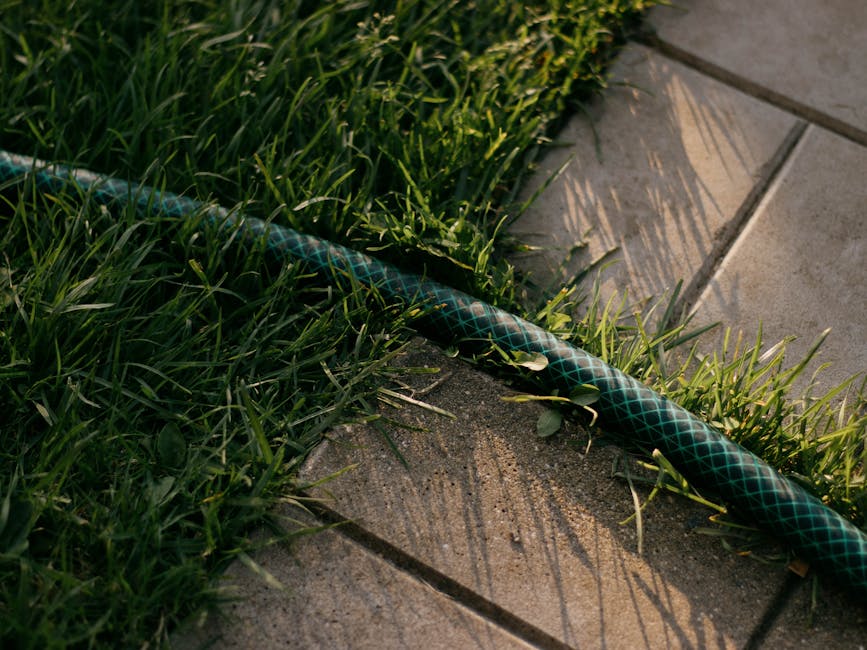
Gardeners often appreciate tools and accessories that reduce effort without adding complexity. That is exactly where the gardeners hook stands out. It can help keep hoses neat, guide climbing plants, support hanging baskets, hold lightweight tools, or create structure in spaces that might otherwise feel scattered. For people who value a tidy outdoor area, the presence of well-placed hooks can contribute to a garden that is not only more attractive but also easier to maintain. A well-chosen garden hook can quietly shape the flow of a space and support healthy plant growth at the same time.

Weather-resistant garden hook used for outdoor organizationIn many gardens, small details have a large impact. A hook may not seem as important as soil quality or watering routines, yet the right garden hook can improve access, safety, and visual balance. A strong, weather-ready hook can keep items off the ground, reduce tangling, and make routine care feel smoother. That is why gardeners hook setups are frequently found in both decorative and functional roles. They may be hidden in the background or featured as part of a design, but they often serve an important purpose behind the scenes.

What a Gardeners Hook Means in Practical Terms

The term gardeners hook can cover several related uses. In one sense, it describes a hook-based implement or fixture used by gardeners to suspend, hold, or support items. In another, it can refer to a style of garden accessory shaped for easy placement and dependable grip. Because gardens often contain hanging containers, climbing growth, and a variety of lightweight tools, the hook becomes a natural solution. Gardeners hook products are valued for their versatility, especially when space is limited or when a garden design requires clean lines and efficient storage.

One of the most common reasons people look for a garden hook is to manage clutter. Hoses, watering cans, lanterns, baskets, gloves, and even bird feeders can be kept in better order with the help of hooks. This matters not only in a neatness sense but also in a functional sense. When materials are organized, they are easier to find, easier to use, and less likely to be damaged. A gardeners hook may seem like a small addition, yet it can improve the rhythm of daily garden maintenance in noticeable ways.

Another important point is durability. Outdoor spaces expose tools and fixtures to rain, sun, wind, moisture, and temperature changes. A gardeners hook must therefore be chosen with care. Materials like coated metal, galvanized steel, and durable weather-resistant finishes are often preferred because they hold up better over time. Strength also matters. A hook that bends or rusts quickly can cause frustration and may even damage plants or objects it is meant to support. When people select garden hooks thoughtfully, they are investing in a more reliable and pleasant outdoor environment.

How Gardeners Hooks Support Everyday Garden Life

Gardeners hook systems are especially useful because they work quietly in the background. They do not demand attention, but they make other tasks easier. For example, a hanging hook can help keep a watering can or basket within reach. A wall-mounted hook in a shed can keep tools off the floor. Hooks placed along a fence or pergola can support decorative elements that add charm and personality. In this way, the gardeners hook becomes part of the architecture of the garden, shaping how people move through the space and how the space itself is used.

Climbing plants also benefit from supportive hook arrangements. Vines, flowering climbers, and trailing plants often need structure to direct their growth. While some plants naturally latch on to supports, others need assistance in the early stages. A carefully positioned garden hook can help guide lines, secure ties, or anchor supports that keep growth orderly. This is especially useful where a gardener wants vertical interest without allowing plant growth to sprawl in unwanted directions. The result is a more balanced and attractive display.

At the mid point of garden organization, the gardeners hook often becomes a connector between beauty and function. It can hold decorative features while also supporting practical needs. For instance, a hook may carry a hanging planter that adds color near an entryway, while another hook nearby supports garden scissors or a coiled hose. This dual purpose is one reason the concept remains relevant in modern outdoor design. It helps gardeners build spaces that feel intentional rather than improvised.

Types of Gardeners Hooks and Their Uses

There are many different forms of garden hooks, and each serves a slightly different purpose. Some are decorative, designed to hold lanterns, baskets, or ornaments. Others are purely practical, intended for heavier items or repeated daily use. Shepherd-style hooks are popular in many landscapes because they feature a curved top and a stable stem that can be placed in soil or gravel. Wall hooks are another common choice, especially in sheds, patios, and storage spaces where vertical organization is important.

Heavy-duty garden hooks are often used where strength matters most. These may support larger hanging baskets, substantial planters, or tools that need secure placement. Meanwhile, lighter hooks are ideal for smaller accessories or temporary arrangements. The variety available means gardeners can match the hook to the job rather than forcing one design to do everything. That flexibility makes the gardeners hook concept especially useful in spaces that change with the seasons.

Some hooks are designed with aesthetics in mind. They may include elegant curves, ornamental finishes, or rustic textures that complement the rest of the garden. Others are intentionally minimal, allowing them to blend into the background. In either case, the goal is the same: to provide support without interfering with the natural beauty of the space. A good garden hook should feel like part of the landscape, not an obstacle inside it.

Choosing the Right Hook for the Right Place

The best gardeners hook depends on location, purpose, and exposure. A hook placed in a windy area needs greater strength than one used in a sheltered corner. A hook holding a heavy hanging basket should be sturdier than one carrying a lightweight lantern. Soil conditions also matter if the hook is the type that is inserted into the ground. Soft ground may require a deeper placement, while harder ground may need a different mounting approach. By thinking through these conditions, gardeners can choose hooks that perform well for longer periods.

Material selection is equally important. Metal hooks often offer strength and stability, while powder-coated or galvanized finishes can improve resistance to corrosion. In some settings, wrought iron provides a classic look that suits traditional gardens. In others, sleek modern materials may be preferred for a cleaner appearance. The ideal garden hook is not only functional but also appropriate for the style of the surrounding area. This balance is one reason the same basic hook design can appear in many different garden settings.

Placement should never be random. A hook used too close to a walkway may create obstruction, while one placed too high or too low may be difficult to use. Hooks for hanging baskets should allow enough clearance so plants can grow without being crowded. Hooks supporting tools should be positioned so items are easy to remove and replace. Good placement helps the hook work naturally with the daily habits of the gardener, rather than creating extra steps or inconvenience.

Decorative gardeners hook helping support climbing plantsA gardeners hook can also contribute to the character of a garden. In a cottage-style space, ornate hooks can support bird feeders or trailing blooms and add an old-world feel. In a minimalist garden, simple black hooks may create clean vertical structure without drawing attention away from the plants. In rustic settings, darker metal hooks can complement wood, stone, and natural textures. Because the hook is such a flexible design element, it can adapt to many aesthetic directions while still serving its practical purpose.

In smaller gardens, the benefit of hooks becomes even more apparent. Space is often limited, and every inch matters. Vertical storage and vertical display help free up ground space for plants and movement. A gardeners hook mounted on a wall or fence can hold items that might otherwise occupy valuable bench or floor area. Hanging planters can bring greenery upward, creating layers of interest without crowding the soil surface. For urban gardeners and balcony growers, this kind of space-saving function is especially valuable.

It is also worth noting that hooks can improve accessibility. Gardeners who want to reduce bending, lifting, or unnecessary searching may find hooks helpful for keeping everyday items at a convenient height. This is particularly useful for people who spend long periods working outdoors or who simply want a more comfortable gardening routine. A garden hook may not eliminate effort, but it can reduce small frustrations that add up over time. That makes the whole experience feel smoother and more enjoyable.

Gardeners Hook in Decorative and Functional Design

One of the most appealing qualities of a gardeners hook is its ability to blend decorative and practical roles. Many garden features are either beautiful or useful, but hooks can be both. A hanging basket on a sturdy hook adds color at eye level. A row of coordinated hooks can organize tools in a shed while also giving the space a cleaner look. A lantern suspended from a hook can provide evening atmosphere as well as light. This combination of value makes the hook one of the more efficient additions to a garden.

When used creatively, hooks can also help define zones within a garden. For example, a hook near a seating area may hold a plant basket that softens the edge of a patio. Another hook near a vegetable patch may hold string, accessories, or a lightweight container. Hooks placed along a boundary can create a repeating visual pattern that gives the space structure. These subtle effects contribute to the overall design without making the garden feel crowded or overplanned.

Garden hooks are especially effective when paired with other vertical elements such as trellises, posts, pergolas, and fences. Together, these features build depth and movement into the landscape. Plants climb, hang, or trail, while hooks help maintain order and positioning. The result is a layered environment that feels lively and intentional. In this way, the gardeners hook becomes more than a utility item; it becomes part of the garden’s visual language.

Common Mistakes to Avoid When Using Garden Hooks

Even though garden hooks are simple, they can be misused. One common mistake is choosing a hook that is too weak for the item being supported. Overloading a hook may cause bending, slipping, or failure. Another issue is poor installation. If a wall hook is not properly secured or a ground hook is not set firmly, it may not hold its position. These problems are avoidable when the hook is matched carefully to the task and installed with attention to stability.

Another error is using the wrong material for the environment. Some materials may look attractive but deteriorate quickly in damp or exposed conditions. Rust, flaking coatings, and general wear can shorten the life of a hook and affect the items it holds. Since gardens often experience changing weather, resilience should be a priority. A good gardeners hook should remain dependable through regular outdoor exposure rather than becoming a repeated replacement item.

Overcrowding is also worth avoiding. Too many hooks placed too close together can make a space feel cluttered instead of organized. Visual balance matters, especially in gardens where calmness and openness are part of the experience. A thoughtful arrangement of hooks can support the garden’s design, while an excessive arrangement can distract from it. Simplicity is often the best approach, allowing each hook to have a clear purpose.

Why Gardeners Hooks Remain Relevant Today

The continued popularity of the gardeners hook comes from its adaptability. Modern gardens vary widely, from container-filled balconies to large suburban yards to carefully styled public landscapes. In all of these settings, hooks can solve practical problems without requiring major changes to the space. They are affordable, flexible, and easy to integrate into many garden styles. That combination gives them lasting appeal.

They also suit the way many people now think about outdoor spaces. Gardens are no longer just places for cultivation; they are often used for relaxation, dining, creativity, and visual enjoyment. A hook can support that broader purpose by helping a garden feel more finished and more functional. Hanging lights, planters, tools, and decorative pieces all contribute to an atmosphere that is both lived-in and well arranged. The humble garden hook supports this transformation in subtle but important ways.

In practical terms, the gardeners hook remains a smart choice because it reduces friction in everyday tasks. Items have a place, plants have support, and outdoor areas feel more manageable. That may sound simple, but simplicity is often what makes a garden sustainable over time. When maintenance feels easier, people are more likely to keep a space healthy and attractive. A hook can therefore contribute indirectly to the long-term success of a garden.

Style, Strength, and Everyday Convenience

There is a strong case for viewing the gardeners hook as a small essential rather than a minor accessory. It contributes to organization, supports planting needs, adds decorative interest, and helps create vertical use of space. In well-designed gardens, these benefits can be seen everywhere, even if the hooks themselves are not always the first thing visitors notice. Their presence helps shape how the garden feels and how it operates.

Gardeners hook solutions are especially effective because they can be adapted to changing needs. A hook used for a planter in spring may later support a lantern or tool in another season. This flexibility gives gardeners freedom to adjust their spaces without replacing major features. It also means that a single well-made hook can provide value in more than one way across the year. That kind of usefulness is one reason hooks stay relevant across different gardening styles and climates.

For anyone who wants a garden that feels orderly, attractive, and practical, the garden hook offers a dependable answer. It supports structure without overwhelming the landscape. It helps keep items accessible without creating clutter. It can be decorative, understated, heavy-duty, or delicate depending on the need. As a result, the gardeners hook deserves recognition as a smart, versatile feature in modern outdoor spaces.

Strong garden hook installed for functional outdoor useGardeners hook choices may seem small at first glance, but they influence the experience of gardening in meaningful ways. They help turn open space into usable space, bring order to tools and accessories, and support the visual harmony of the garden. Their usefulness is not tied to one single job; instead, it comes from a rare balance of strength, adaptability, and simplicity. That is why so many gardeners continue to rely on hooks as part of a thoughtful outdoor setup.

As gardens continue to evolve, the value of practical features like hooks remains steady. They make it easier to create spaces that are not only beautiful but also comfortable to work in and maintain. Whether used for hanging baskets, organizing equipment, supporting climbing plants, or adding decorative detail, the gardeners hook proves that even small elements can have lasting importance. In a well-tended garden, every detail matters, and the right hook can help those details work together.

Versatile gardeners hook adding order and style to a gardenUltimately, the gardeners hook represents the kind of practical design that quietly improves everyday life outdoors. It is not flashy, yet it is useful. It is not complicated, yet it is versatile. It supports plants, accessories, and order in ways that help the entire garden feel more complete. For gardeners who value both function and style, the garden hook remains a dependable and rewarding part of the outdoor environment.


Services

service image

Tree Surgery

Tree surgery in Hook helps maintain healthy, safe trees through pruning, reduction, removal, and stump grinding for homes and businesses.

service image

Tree Lopping and Removal

Tree lopping and removal in Hook helps keep homes and businesses safe with expert pruning, reduction, stump work, and full tree removal.

service image

Patio Cleaning

Patio cleaning in Hook improves safety, appearance, and durability by removing algae, moss, stains, and dirt from outdoor paving.

service image

Lawn Mowing

Professional lawn mowing in Hook keeps gardens neat, healthy, and attractive with regular care, seasonal maintenance, and reliable results.

service image

Lawn Care

Lawn care in Hook helps keep grass healthy, green, and resilient with seasonal mowing, feeding, weed control, and soil care.

service image

Landscaping

Landscaping in Hook enhances gardens and outdoor spaces with practical design, planting, paving, and low-maintenance solutions tailored to local properties.

service image

Landscape Gardening

Landscape gardening in Hook transforms outdoor spaces with tailored planting, hard landscaping, and low-maintenance designs suited to local homes.

service image

Hedge Trimming

Hedge trimming in Hook keeps gardens neat, healthy, and safe with expert shaping, seasonal care, and regular maintenance for homes and businesses.

service image

Gardening Services

Gardening services in Hook help keep gardens tidy, healthy, and attractive with regular maintenance, seasonal care, and flexible support for homes and businesses.

service image

Garden Maintenance

Garden maintenance in Hook keeps lawns, hedges, borders, and seasonal growth healthy, tidy, and attractive for homes and businesses.

service image

Garden Clearance

Garden clearance in Hook helps restore safe, tidy, usable outdoor spaces for homes, rentals, and businesses.

service image

Fencing

Fencing in Hook offers privacy, security, and style for homes and businesses, with durable options and professional installation for lasting value.

service image

Decking Services

Decking services in Hook offer stylish, durable outdoor solutions that improve garden use, enhance property appeal, and suit timber or composite preferences.

Gardeners Hook

Gardeners Hook in modern gardening services: practical uses, styles, and design benefits for organized outdoor spaces.

Get In Touch With Us.

Please fill out the form below to send us an email and we will get back to you as soon as possible.